Chapter Four
Knowing a neighbourhood by heart
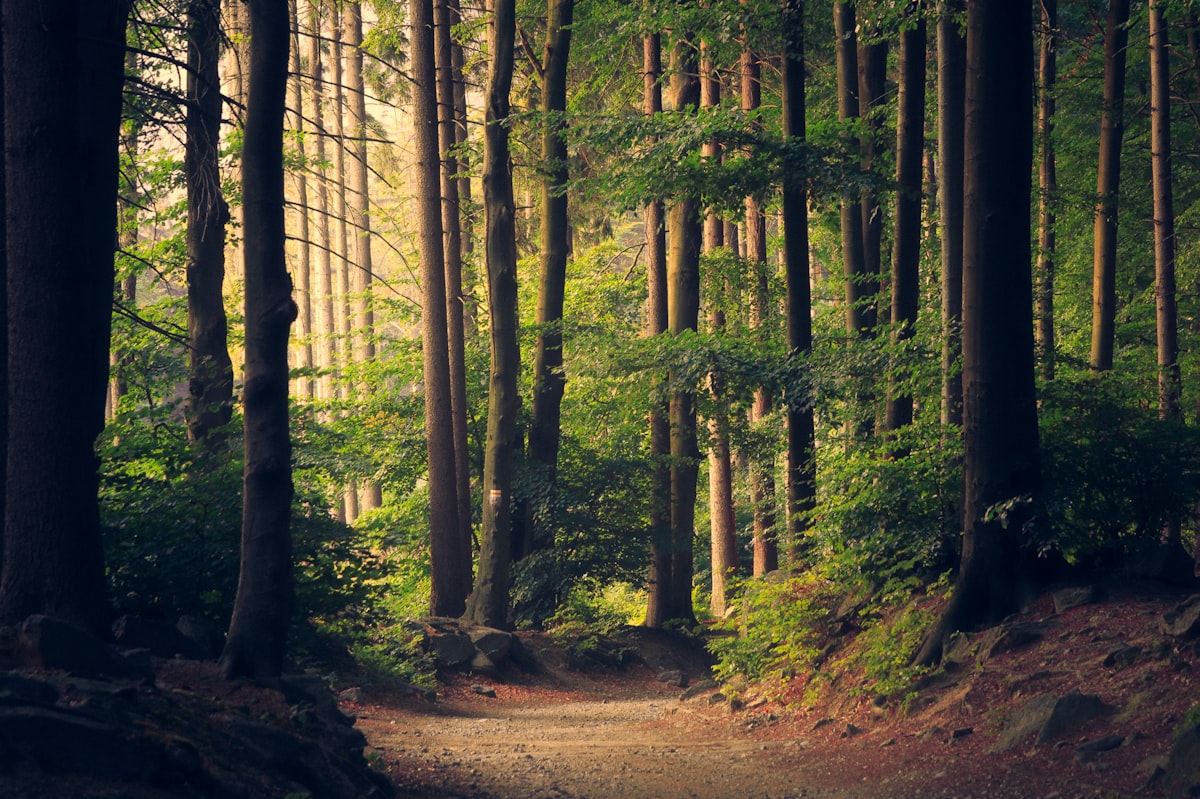
You cannot know a place from a map. You know it by walking the same route until it stops being information and becomes sensation — the camber of the pavement, the shop that changes owners but keeps the same awning colour, the hour when the park fills with children and the hour when it empties again. Redhill became mine not when I signed the lease but when I could walk home blindfolded and still arrive at the right lift lobby. That took years. It was worth every step.
I did not set out to fall in love with a neighbourhood. I set out to live conveniently. Redhill was practical — near the MRT, near the office I no longer hold, near enough to the city without being inside its loudest parts. Practicality matured into attachment the way some friendships do: quietly, through repetition, until one day you realise you would miss this specific corner of the world if it disappeared.
The park as classroom
There is a park I pass almost daily — nothing grand, just shade and benches and the kind of maintenance that suggests someone cares. I started stopping there during the work change, when walks were structure and structure was survival. Same bench, different weather. I watched retirees stretch, domestic workers meet friends on their day off, teenagers practice dance moves with phone speakers balanced on bags. The park held everyone's afternoon without asking for a story in return.
I learned the trees — which ones flower, which ones drop leaves that slick the path after rain. I learned the birds by sound before I learned them by sight. I learned that Saturday mornings belong to families and Tuesday afternoons belong to people who have figured out something about time that the rest of us are still negotiating.
Faces and small mercies
The auntie at the market who remembers I prefer choy sum with smaller stems. The barista who asks whether I want my usual when I am clearly not myself. The security guard who nod-acknowledges me without making conversation I do not want. These are tiny relationships — not friendships, not community in the dramatic sense — but they stitch a place to your life. You are not anonymous here. You are known enough to matter slightly, which is exactly enough.
Once I helped a neighbour carry groceries when the lift was out. Once a stranger told me my umbrella was inside out before the rain got worse. Once I found a lost cat poster and recognised the corridor in the photograph — block 82, my block. I called the number. The relief in the owner's voice was disproportionate and completely understandable. Neighbourhood is built from disproportionate small things.
A city becomes yours when you stop navigating it and start remembering it.
The private map
I have routes now that are not the fastest but are mine. The path at sunrise from Chapter One. The back way to the MRT that avoids the crowded corner. The loop I walk when I need to think without a destination. They form a private map overlaid on the public one — invisible to anyone else, essential to me.
Visitors sometimes ask what to see in Singapore. I tell them the usual things — gardens, museums, hawker centres worth the queue. Then I tell them to pick a neighbourhood and walk it on a weekday afternoon when nothing is performing for tourists. Watch how people live. Notice what repeats. That is how you understand a place, and perhaps how you understand yourself inside it.
Redhill is not picturesque in the way guidebooks prefer. It is lived-in, layered, honest. I write this chapter as gratitude — for slopes that slow you down, for parks that hold silence, for faces that recognise you without requiring performance. The journey that began at Changi continues here, on foot, one familiar street at a time.